

Accounting firm IT support for everything but the returns
Express IT Solutions runs the infrastructure side of accounting firms: the office network, Microsoft 365 and encrypted email, backups with tested restores, MFA on everything, vendor remote access, monitoring. We do not do the books, we do not prepare returns, and we say so before you ask.
The work runs from Syracuse, New York, where we have handled business IT since 2005. The same team keeps unstaffed peaker plants ready for start day for power plant clients across the country, from Upstate New York to California. A business judged on one immovable date is familiar ground here, not a first.
Accounting firm IT support is the management of a CPA or tax practice’s technology infrastructure: office networks, Microsoft 365 and encrypted email, the environment tax and accounting software runs in, backups with tested restores, multi-factor authentication, vendor remote access and monitoring. The IT provider runs the infrastructure layer and implements the technical controls the firm’s written information security plan calls for, while partners and preparers keep the books, the returns and the client relationships.
The side of the firm nobody was hired to run
Every accounting firm runs on two kinds of work, and only one of them has a name on the door. The professional side has partners, preparers, review notes and a signature line. The other side, the server in the closet, the scanner behind the front desk, the backup nobody has watched restore, the password list in a drawer, belongs to whoever got stuck with it.
You know how that ends because you have watched it happen. The scanner that feeds document management dies the week the organizers come back, and the paper piles up at the front desk. A preparer’s hosted desktop will not connect at 7 a.m. and the first appointment starts without the file. Then your tax software vendor’s support tech asks for remote access in the middle of March, and the fastest answer on hand is the password everybody shares, on the same network that holds every client’s Social Security number.
None of that is negligence. It is arithmetic. A firm staffed to produce returns has no hours left over for IT, so IT becomes a part-time job done in the gaps, and the gaps are where the problems grow. That holds for a two-partner tax practice and a forty-seat CPA firm alike. Closing that gap is what IT support for accounting firms means in practice, and the engagement runs on the same bones as our managed IT services.
CPA firm IT support, on the infrastructure side of the practice
The practice belongs to the people whose names are on it. Which tax software the firm runs, how the books are kept, what the engagement letter promises, when a return is ready to sign: those are professional calls, and an IT company with opinions about them should worry you. We promise the opposite, and we put it in writing before anyone logs into anything.
What we take on is everything underneath that work. The network and the firewall in front of it, Microsoft 365 and the retention rules behind the mail, backups and the proof they restore, multi-factor authentication on everything that holds client data, the named accounts your software vendors use to get in, and the monitoring that notices trouble before a preparer does. The security layer runs the way our cybersecurity practice runs it everywhere. Under the FTC Safeguards Rule, tax preparers and CPA firms are financial institutions, and the rule expects a written information security plan. The WISP is the firm’s plan and stays the firm’s plan; the technical controls it names, from MFA to encryption to access logging to tested backups, are our trade, implemented and documented the way the plan requires. Where our work meets your tax software vendor’s, scope goes on paper first.
The same line holds where the untouchable layer is a turbine or a CNC mill; the industrial versions of this page are our power plant IT support and manufacturing IT support.
Your partners, your preparers, your bookkeepers.
One accountable IT team, on one standard.
What our team handles at an accounting firm
Plain descriptions. The specifics come out on the first call anyway.
-
Email, Microsoft 365 and encrypted mail
Mailboxes, retention and security for a business that handles Social Security numbers for a living. Encryption for anything that should not travel in the clear, retention set for a firm that will someday be asked to produce records, and mail defenses tuned for the phishing that gets aimed at firms during filing season.
-
Office and front-office network
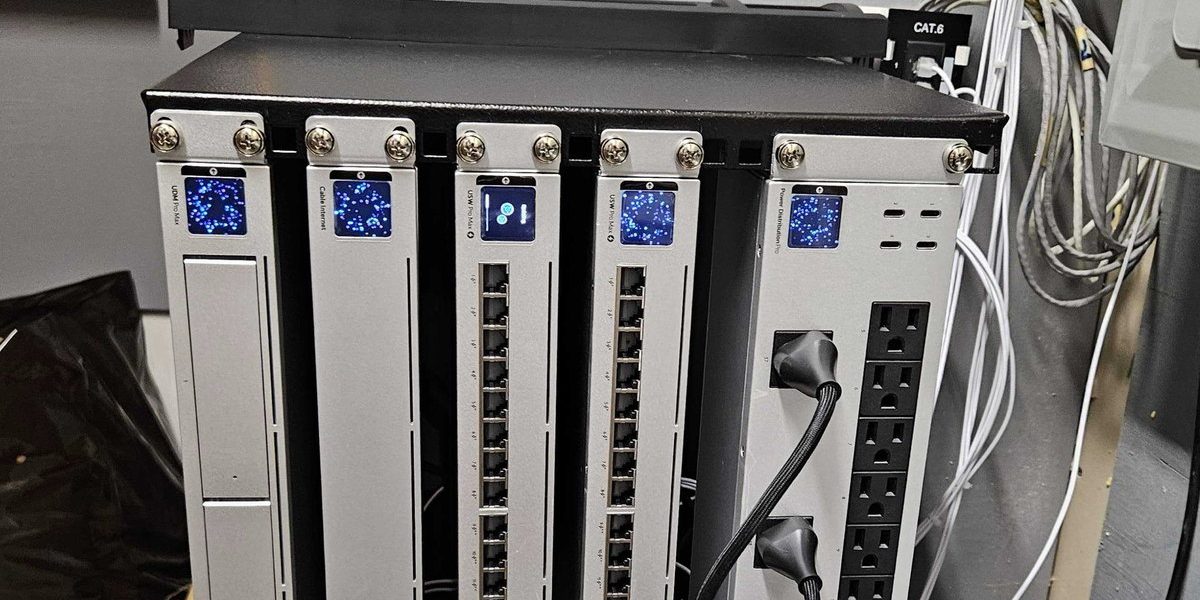
Switches, firewall, Wi-Fi and cabling, built so the side that holds client data is never the side a guest connects to. Everything labeled and documented, so the next person in the server closet is not doing archaeology.
-
The environment your tax software runs in
The application belongs to its vendor, hosted or local, and we do not pick it for you. Everything it depends on is ours: the server down the hall or the connection to the vendor’s hosted desktops, the workstations it runs on, the printers and scanners it talks to, the backups behind the local pieces. When the vendor’s support line says the problem is on your end, that ticket is ours, and we work it with them instead of leaving a partner to translate.
-
Backups and restore tests
The document management store, the bookkeeping files, the prior-year archive: that is the firm’s memory, so it gets backed up and the restores get tested on a schedule instead of assumed. The test restores run in the fall on purpose. April is a bad month to learn a backup job has been failing quietly since August.
-
Accounts, MFA and seasonal staff
Named accounts for everyone who touches client data, multi-factor authentication on all of it, and a lifecycle for seasonal preparers: accounts built before the January start date, scoped to the role, with the end date recorded on day one. In May they are disabled, and you get that in writing. Accounts that appear in January and quietly live forever are among the first things we find at a new firm.
-
Vendor remote access and on-site service
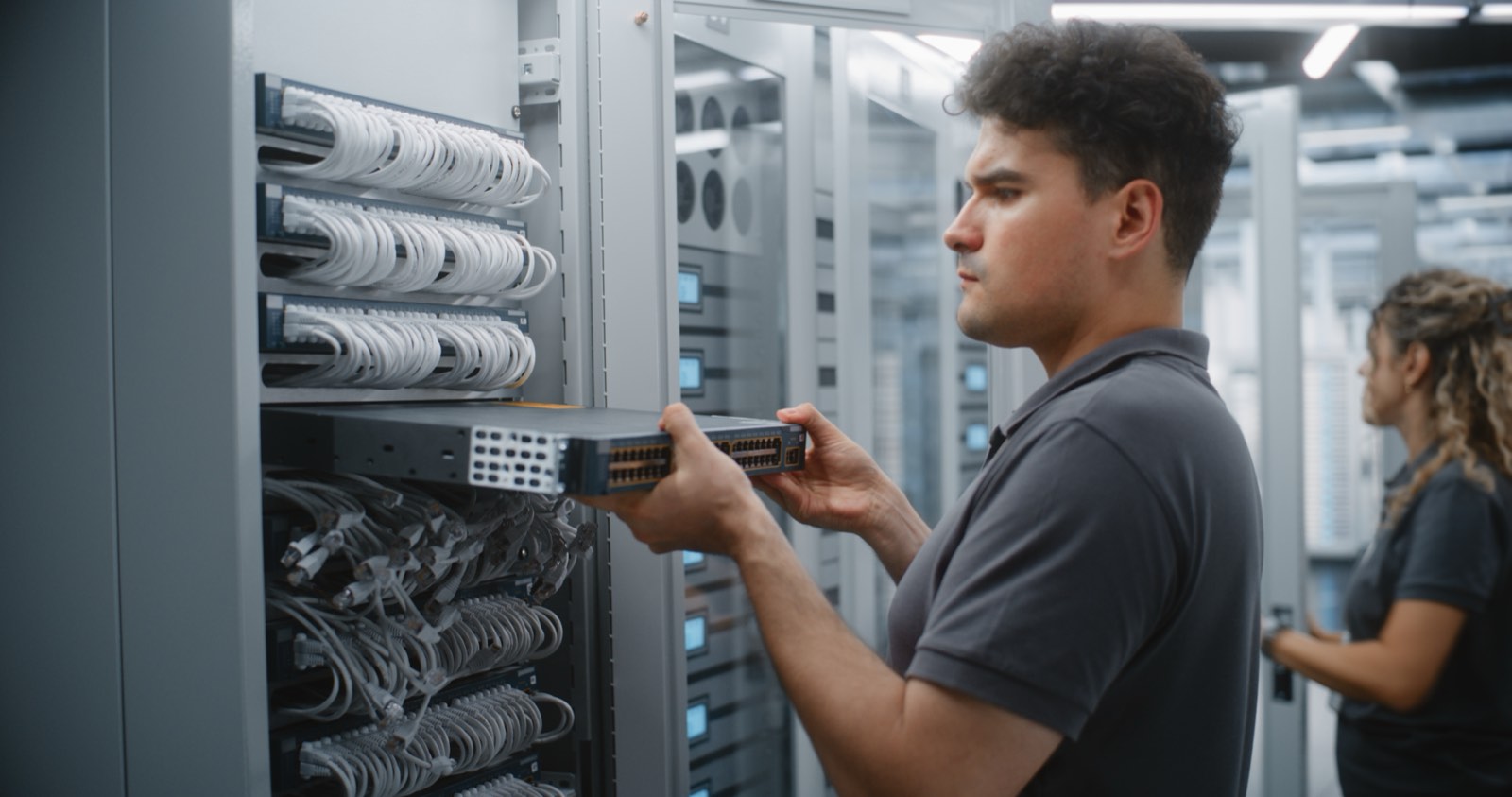
Your tax software vendor’s support techs and your off-site staff get named, logged access instead of the password everybody shares, shut off when the session or the engagement ends. And we come to the office for the work a remote session cannot do: hardware swaps, scanner and printer fleets, cabling, walk-throughs. All of Upstate New York, within 50 miles of Syracuse no questions asked, and farther by planned visit, including travel by air.
Practical automation for the front office
Accountants hear an AI pitch a week during busy season, most of it from people who have never seen a workpaper. The same team that runs this IT practice runs an AI practice, and in a firm the honest use for it is the paperwork around the work: intake emails turned into structured requests, the document chasing that eats an admin’s February, status questions answered without pulling a preparer off a return. We scope one workflow, build it, connect it to the systems you already run, secure it and watch it after launch. Nothing touches a return, and if a workflow is not worth automating, you will hear that on the first call. The full picture is on our AI agents and workflow automation page.
Tell us what keeps failing at the firm. The first conversation is free and specific.
Tax season IT: eight forgiving months, eleven weeks that are not
A firm can limp through July. A switch that needs the occasional reboot, a scanner with moods, a server running out of disk slowly enough to ignore: from May to December those are annoyances. From late January to April 15 the same faults get priced in lost returns and worked weekends, and the worst of them come with a date attached. Every firm has heard the story about the server that died the week of the deadline. Nobody wants to be the next telling of it.
Tax season IT is not a different service. It is the same service with the calendar turned around: the disruptive work happens in the months the firm can absorb it, so the season opens on equipment, accounts and backups that have already been proven. That preparation is where accounting firm IT services either earn their keep or get found out. We support unstaffed peaker plants on the same logic, hunting quiet failures in the quiet months so start day is uneventful; a filing season is that discipline with a different date on it.
Getting a firm through the season is a calendar, not heroics.
- A readiness pass in the fall. Restore tests run, workstations updated, spares staged, seasonal accounts built, before the first organizer comes back.
- A freeze when filing opens. Upgrades, migrations and experiments wait for May. The season runs on what was proven in the fall.
- Monitoring that phones home through the season. A disk filling up on April 10 is an April 10 problem, caught at breakfast, not an April 15 discovery.
One standard across your offices
Firms spread out, usually by merger. The acquired practice arrives with its own server, its own backup tool, its own password spreadsheet and a retiring partner who knew where everything was. Every office goes onto the same monitoring, the same backup standard and the same helpdesk, so two offices and a tax-season satellite behave like one firm with long hallways. How that works across locations is written up on our multi-site IT support page.
Word for word from public Google reviews. Names as the reviewers published them.
“Express provides excellent service, we’ve been with them for years. They are always responsive to whatever issues we might have. Great work, always totally pleased.”
“I have always had good experiences with this team. They listen to the problem and take the time to go over it with you if you need or want them to. Very good experience and reasonable.”
Straight answers for partners and practice managers
The questions we actually get asked.
Can you make our firm compliant with the FTC Safeguards Rule?
No vendor can hand you compliance, and you should be suspicious of one that promises it. Under the FTC Safeguards Rule, tax preparers and CPA firms are financial institutions, and the rule expects a written information security plan, a WISP, that belongs to the firm. What we do is implement and document the technical controls that plan calls for: multi-factor authentication, encryption, access logging, monitored and tested backups, offboarding that actually happens. IRS Publication 4557 and the IRS Security Six cover the same ground in tax-practice terms, and we work in that vocabulary with whoever owns your plan.
How do you get a firm ready for tax season?
With a calendar, not promises. A readiness pass in the fall: restore tests run, workstations updated, spares staged, seasonal accounts built before the first W-2 arrives. A freeze once filing opens, so nothing changes underneath a working firm. Monitoring through the season that reports trouble while it is still small. We do not promise nothing will break; we make sure the season starts on equipment that has been proven and stays watched.
We add seasonal preparers every January. How do you handle their accounts?
As a lifecycle, not a scramble. Seasonal staff get named accounts built before the first day, multi-factor authentication from the first login, and access scoped to the role. The end date is recorded when the account is created, and in May the accounts are disabled and you get that confirmed in writing. Accounts that appear in January and quietly live forever are among the first things we find at a new firm.
Our tax software is hosted. Is there anything left for you to do?
Plenty. The application belongs to its vendor and the hosting belongs to the host; everything the session rides on is ours: the internet connection and the firewall, the workstations and scanners, identity and MFA, email and its retention, and the local files that never made it into the hosted environment. When the host’s support line says the problem is on your end, we pick up that ticket and work it with them instead of leaving a partner to referee.
What happens if a laptop with client data is lost or stolen?
The honest answer is that the outcome was decided before the laptop went missing. On machines we manage, the disk is encrypted, so a thief holds hardware rather than client files; the device can be wiped remotely the next time it touches the internet; and named accounts tell us exactly what it could reach. From there the firm’s own incident response plan, the one in its WISP, drives any notification decisions, working from facts instead of guesses. We will not pretend a lost laptop is nothing. Preparation is what turns it from a disclosure question into a hardware purchase.
What does accounting firm IT support cost?
Hourly for project work, or a flat monthly rate for full coverage, with the price in writing before work starts. Our published plans run $65, $80 and $99 per user per month; what each includes is on the MSP packages page. Firm specifics, like seats that double in January and empty out in May, get priced in the first conversation.
We already have an IT person. Do we have to replace them?
No, and we would rather not. Co-managed is a normal arrangement here: your person keeps what they are good at, often the tax software and the way the firm actually works, and we carry the rest, monitoring, backups, security and the helpdesk depth one person cannot provide in the middle of March. Who owns what goes on paper, so nothing falls between two chairs.
We have offices in two cities. Does that change anything?
No, that is the arrangement we expect. Firms grow by merger, and each acquired practice tends to arrive with its own server, its own backup tool and its own password spreadsheet. Every office goes onto the same monitoring, the same backup standard and the same helpdesk, so the whole firm behaves like one office with long hallways. The multi-location version of this page is our multi-site IT support page.
Book a scoping call
A few fields now, a straight recommendation on the call.
Tell us about the firm.
How many offices, how many preparers at the February peak, and what failed last season. That is enough for a straight recommendation and a price in writing, usually from the first conversation.
Fayetteville, NY 13066
Syracuse, NY 13202
help@expresssupport.com