Power plant IT support for everything outside the control room
Express IT Solutions runs the business side of power plants across the country: the office network, vendor remote access, backups, badge and camera systems, email. We do not touch SCADA or the DCS, and we say so before you ask.
The work runs from Syracuse, New York, where we have handled business IT since 2005, with many power plant and peaker plant clients across the country, from Upstate New York to California. Plant work is part of our normal week, not a novelty.
Power plant IT support is the management of a generating facility’s business-side technology: office networks, servers, backups, Microsoft 365, badge and camera systems, and vendor remote access. The IT provider stays on its side of the IT/OT boundary while controls engineers and vendors run the DCS, SCADA and relay protection.
The side of the plant nobody was hired to run
Every generating facility runs on two kinds of technology, and only one of them has a name on it. The control side has engineers, a vendor, a budget line and a change procedure. The other side, the office network, the badge readers, the camera recorder in the closet, the email the operator checks at 5 a.m., belongs to whoever got stuck with it.
You know how that ends because you have watched it happen. The historian export that feeds the monthly report stops, and nobody notices until the report is due. Nobody owns the badge system; the integrator stopped supporting the software years ago and the one person who knew the admin password retired. Then a turbine vendor wants remote access on a Friday afternoon, and the fastest answer on hand is the VPN password everybody shares.
None of that is negligence. It is arithmetic. A plant staffed for operations has no hours left over for IT, so IT becomes a part-time job done in the gaps, and the gaps are where the problems grow. That holds whether you run a gas peaker that sees a few hundred hours a year or a plant that never shuts down. Closing that gap is what managed IT services for power generation mean in practice.
Power plant IT specialists, on the business side of the IT/OT boundary
This is specialist work, and it is a specialty of ours. Express IT Solutions runs managed IT services for power generation: remote access built for turbine OEMs and off-site engineers, monitoring that watches unstaffed peaker sites through the dark months, Microsoft 365 for operating companies, and the network segmentation that keeps the business side and the control side cleanly apart. Control systems stay with your controls engineers and your controls vendor. Our work stays on the business side of the IT/OT boundary, and we put that in writing.
What we take on is everything around that boundary: the business network and the firewall rules that keep it separated from the plant side, the servers and workstations in the admin building, the backups and the proof they restore, the accounts your vendors and off-site engineers use to get in, and the badge, camera and phone systems that ride on the IT network. In industry terms, we run the IT side of the IT/OT boundary, and keeping the business network cleanly segmented from the plant side is the first rule of the engagement, not an inconvenience. Whether your control network is air gapped or firewalled, the business side still needs its own segmentation, its own backups and its own rules for who gets in. The security layer runs the way our cybersecurity practice runs it everywhere, and where our work meets yours, scope goes on paper with your controls people before anyone plugs anything in.
We would rather lose a job for saying no than win one by pretending that line is negotiable.
Your controls engineers and your controls vendor.
One accountable IT team, on one standard.
What our plant IT team handles at a generating facility
Plain descriptions. You will ask for specifics on the first call anyway.
-
Office and admin network
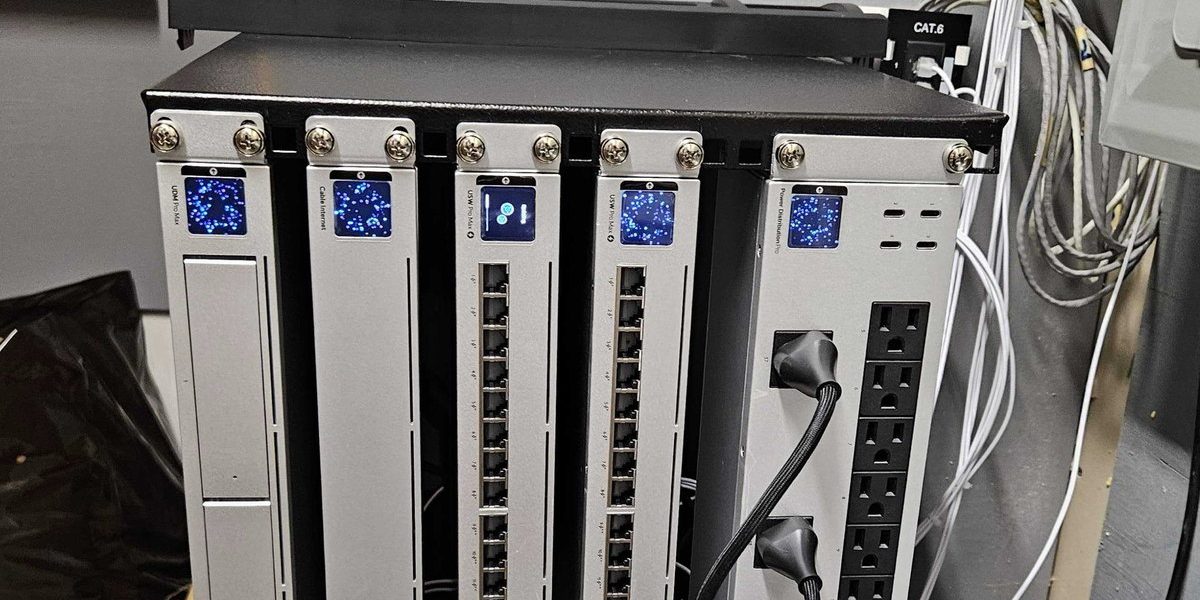
Switches, firewalls, Wi-Fi and cabling for the business side, built so the plant side stays segmented from it. Everything labeled and documented, so the next person in the comms closet is not doing archaeology.
-
Remote access for vendors and engineers
Turbine OEMs, owner’s engineers and off-site staff each get their own account: logged, scoped to what they need, and shut off the day the contract ends. One shared VPN password for everyone is the first thing we retire.
-
Monitoring and backup
Business servers, compliance files, and the plant historian’s exports, wherever they land on the business side: watched, backed up, and restore-tested on a schedule instead of assumed. A disk filling up in a building nobody visits is exactly what monitoring exists to catch.
-
Email and Microsoft 365
Mailboxes, retention and security for the operating company, including the small back office that runs several plants from one inbox. Retention gets set up for an organization that will someday be asked to produce records, not left at tenant defaults.
-
Phones, cameras, badges and doors
These systems usually ride on the IT network, so keeping them segmented, current and reachable is our job. The hardware and the security integrator stay yours; the network side stops being the reason the gate will not read a badge.
-
On-site service and hardware
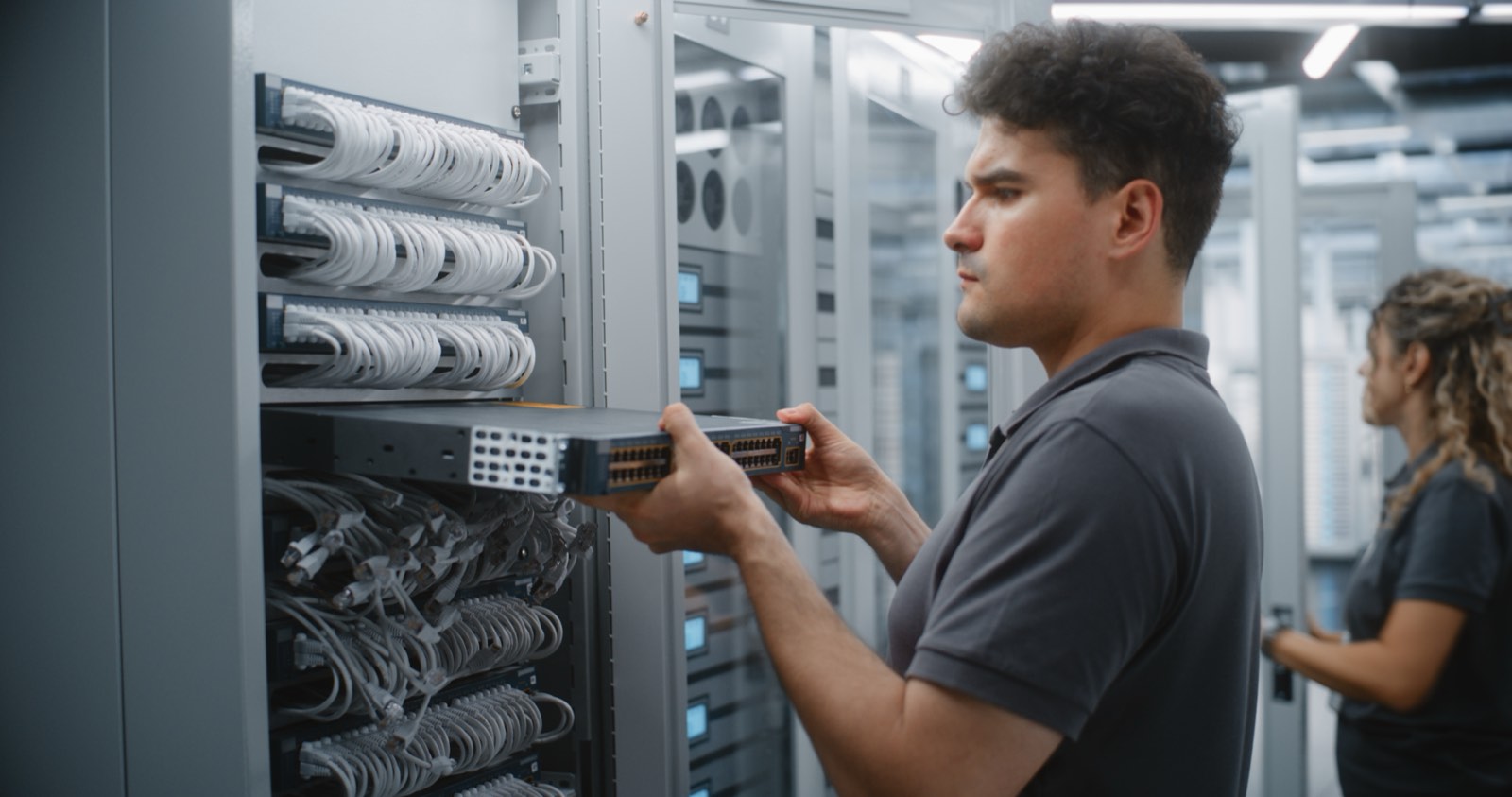
We come to the plant for the work a remote session cannot do: hardware swaps, rack and cabling work, walk-throughs. All of Upstate New York, within 50 miles of Syracuse no questions asked, and for plants farther out, planned visits that include travel by air.
Tell us what keeps failing at the plant. The first conversation is free and specific.
Peaker plant IT support: dark most of the year, judged on start day
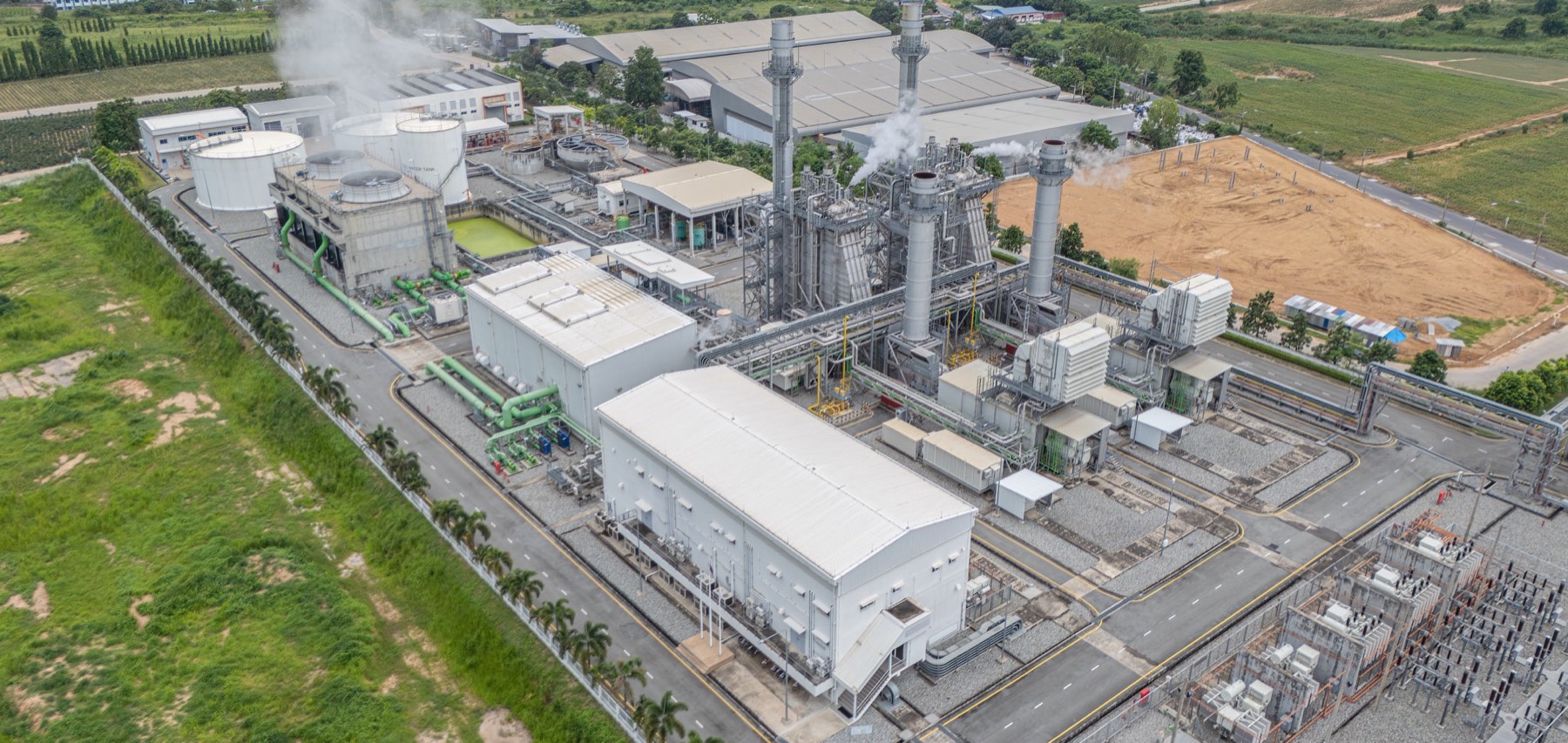
A peaker plant might run a few hundred hours a year. The rest of the time the site is unstaffed and the IT side has no witnesses: a certificate expires, a backup fills its disk, a UPS battery ages out, and no human is there to notice any of it. Then the start order comes and every one of those quiet failures is suddenly on the clock. For a plant with capacity market obligations, an expired certificate discovered on start day is an expensive way to find out nobody was watching the IT.
Peakers go by a few names: peaking units in the air permit paperwork, simple cycle or combustion turbine (CT) plants to the people who run them, peaking power plants in the trade press. Same building, same IT problems, whether the sign out front says generating station or peaker.
Covering a plant like that is a calendar, not heroics. Remote checks run on a schedule while the site is dark, monitoring reports out from the plant instead of waiting for someone to drive past, and a planned walk-through covers the things only hands can verify. We support plants that run this way today. It is why this page exists.
- Regular remote checks while the site is dark. The quiet failures get hunted in the quiet months, not discovered on start day.
- A physical walk-through on a calendar. Batteries, disks and dust do not announce themselves remotely.
- Monitoring that phones home from the site. Instead of waiting for a human to notice that something stopped.
One standard across the fleet
Operating companies rarely own one plant. Each added site tends to arrive with its own backup tool, its own remote access scheme and its own password spreadsheet, and that scatter is what actually costs you. We put every site on the same monitoring, the same backup standard and the same helpdesk, so the fleet behaves like one plant with long hallways. How that works across locations is written up on our multi-site IT support page.
Word for word from public Google reviews. Names as the reviewers published them.
“Express provides excellent service, we’ve been with them for years. They are always responsive to whatever issues we might have. Great work, always totally pleased.”
“I have always had good experiences with this team. They listen to the problem and take the time to go over it with you if you need or want them to. Very good experience and reasonable.”
Straight answers for plant managers
The questions we actually get asked.
Do you work on SCADA, the DCS or relay settings?
No, and you should be suspicious of an IT company that says yes. Controls belong to your controls engineers and vendor. We handle the networks, servers, backups and access around those systems, and we coordinate with your controls people so each side knows exactly where the line is.
Can you work inside our compliance program?
Yes: we work inside the access, logging and documentation rules your compliance owner sets, including at facilities with NERC CIP obligations. Named accounts, recorded changes, and paperwork done the way your auditor wants it. We do not claim certifications we do not hold; we do the IT work so your program can pass its own checks.
The plant is remote. Do you actually come out?
Yes, we come on site anywhere in Upstate New York, and within 50 miles of Syracuse it is routine. For plants farther away, including out of state, visits are planned and agreed in advance, and where driving does not make sense that includes travel by air. Day to day, most work happens remotely.
What does power plant IT support cost?
Hourly for project work, or a flat monthly rate for full coverage, with the price in writing before work starts. Our published plans run $65, $80 and $99 per user per month; what each includes is on the MSP packages page. Plant specifics, like a dark site that needs scheduled checks, get priced in the first conversation.
We run several plants. Does that change anything?
No, that is the arrangement we expect: operating companies and asset managers rarely own one plant. Every site goes onto the same monitoring, the same backup standard and the same helpdesk. The fleet version of this page is our multi-site IT support page.
Can you set up remote access for our turbine vendor?
Yes, vendor remote access is one of the most common things plants bring us. Access is granted per named person, logged, time limited where the agreement allows, and easy to revoke when the contract ends. The OEM gets what the service agreement requires and nothing else. We build and run the access path up to the boundary; where a session lands on control equipment, the leg past the firewall is designed with your controls people and the OEM.
Can you meet the new vendor remote access rules under NERC CIP?
Yes, as a vendor inside your program. CIP-003-9 took effect April 1, 2026 for low impact BES cyber systems: your program has to know when vendor electronic remote access is active, be able to cut it, and watch those connections for malicious traffic. We work that way by default, with named accounts, logged sessions, and no standing tunnels we have not documented with you.
What happens to IT when a plant changes owners?
Documentation is the answer. We keep the network maps, credentials, licensing and vendor contacts for each site in order, so a sale or a change of operating company is a handover, not an archaeology project. That records-first habit is what makes the transition quick for whoever takes over.
Book a scoping call
A few fields now, a straight recommendation on the call.
Tell us about the plant.
How many sites, how many people on the business side, and what failed last. That is enough for a straight recommendation and a price in writing, usually from the first conversation.
Fayetteville, NY 13066
Syracuse, NY 13202
help@expresssupport.com